

After a homicide, the nervous system recalibrates itself for survival. It begins scanning for danger with a frequency and intensity that once made perfect sense — back when the unthinkable had just happened and the world no longer felt trustworthy. Our eyes search the crowds. We jump at the sound of a doorbell but are equally unnerved by total silence at night. We see danger in the mundane.
The trouble is that this life-saving system doesn’t automatically turn itself back down once the threat is past. It keeps running hot. And that takes a huge toll on your mind, body, spirit, focus and friendships.

One way to explain this is through a simple analogy. Imagine you once had a smoke alarm that saved your life from a smoldering inferno. It functioned as it was supposed to. It blared a warning during a real fire — a devastating, life-altering event. Now imagine that the same alarm became more sensitive to the threat of smoke. In fact, it started to detect “smoke” when it picked up steam from the shower, burnt toast and even dust drifting through its sensor.
It screamed “Danger!” when none existed. This is known as a “false positive.” This is hypervigilance. And it causes us to be alert without a reason. In time we may even try to ignore it altogether.
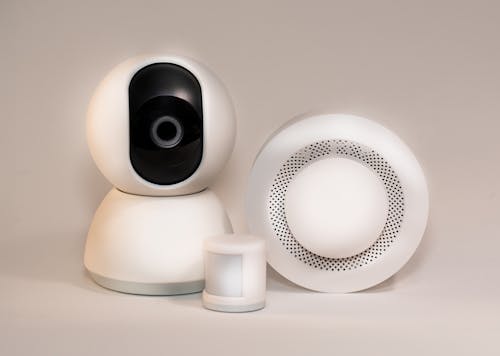
Vigilance
On the other hand, when the smoke alarm works as it is supposed to, it will:
- sit quietly most of the time.
- respond only during a true threat.
- protect without overwhelming.
Hypervigilance isn’t a moral failure, a character flaw, or a sign of irrationality. It’s a survival system that hasn’t yet learned the crisis is over.
But part of healing from trauma — slowly, gently — is learning to distinguish the difference between:
- Real smoke and steam,
- Actual threat and echoes of threat,
- Present danger and what your nervous system remembers.
The Tradeoff
When the alarm has a hair trigger, the very system designed to keep us safe can wear us down. Hypervigilance drains emotional and physical reserves. It creates:
- exhaustion
- shallow breathing
- reduced focus
- poorer decision-making
- impaired reaction time
- poor sleep
- irritability
- pessimism
- isolation
- hypertension
- teeth grinding
- headaches
- tight muscles
- and a general decrease in getting joy from life

When we’re depleted, stressed, and running on adrenaline, we’re actually more vulnerable, not less. Read this again. Hypervigilance does not equate to safety. Instead, the nervous system functions like a guard who never sleeps — jittery, exhausted, and eventually unable to respond effectively when a real danger comes along.
The answer isn’t to shame the alarm for being loud, for over-predicting danger. Afterall, it once saved your life. It’s doing what it was made to do.
The goal is to help it recalibrate — not silenced, but adjusted so it can tell the difference between steam and smoke, between memory and present threat, between hypervigilance and healthy vigilance.
That recalibration is part of reclaiming a life not ruled by alarms.

And over time, with awareness, support and practice, that alarm can be recalibrated. Not silenced. Recalibrated. In so doing you aren’t trying to live with sirens going off inside your chest anymore.


